The Shuffle Gods Giveth: November 5, 2026
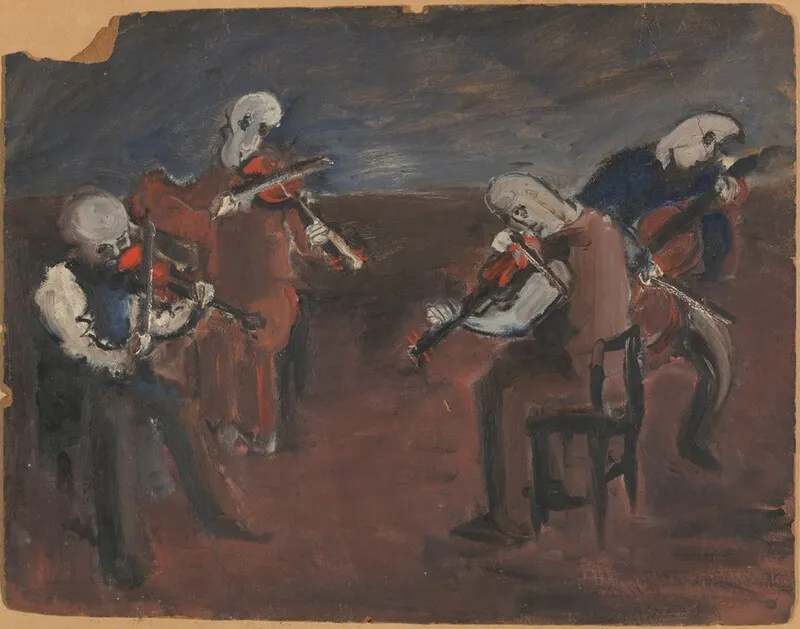 Untitled (String Quartet); Mark Rothko, 1935
Songs shuffled on my drive to pick up the remake of The Legend of Zelda: Ocarina of Time, on the morning of November 5, 2026:
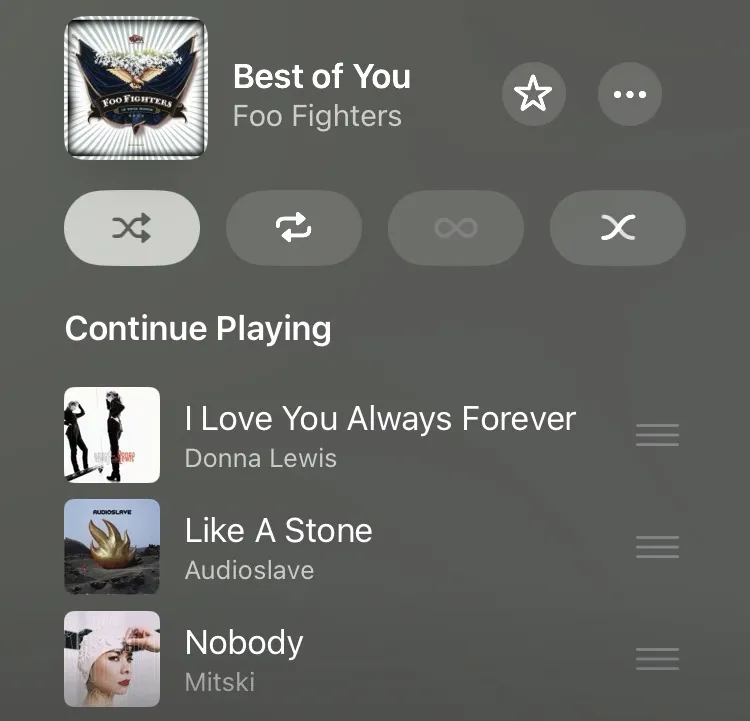
Listening to Dave Grohl's music makes me think, without fail, of a clip from his documentary series From Cradle to Stage. In conversation with Pharrell, Grohl talks about how he lifted his drumming on Nirvana's Nevermind from The Gap Band, Cameo, Tony Thompson, and others.
Artistry is a process of manipulating your influences. You hope to transcend mere apery and achieve something greater: a novel synthesis, or subversion, or reimagination. Or, simply a feeling — the realization, when you take in what you’ve crafted, that it’s stirring a sensation in you akin to the one stoked by the works that inspire you.
Thus enters 2026's Ocarina of Time, a remake of a foundational text by a relatively young development team under the auspices of creative titans. I will refrain from excessive sentimentality in discussing the original game, which changed the life of a lonely kid whose family had just moved; which I spent about a decade replaying annually, until the days became too burdened to squeeze things into; and which I’m overjoyed to return to, less to relive the past than to explore, in a new form and a different time, a tectonic shift that shaped my bedrock as a writer and a person.
Suffice it to say that Donna Lewis's sprightly ardor and Mitski's wistfulness provided an apt soundtrack for my drive. I’m still working through who, or what, they were singing about. Maybe me, maybe Link. Maybe my memories, lucid through the fog, of playing Ocarina of Time forever ago. Maybe the prospect of revisiting the game from a world away.
Lewis, as I headed to Best Buy: “Feels like I'm standing in a timeless dream / Of light mists, of pale amber rose.” Mitski, on the road home: “I've been big and small / And big and small / And big and small again.”